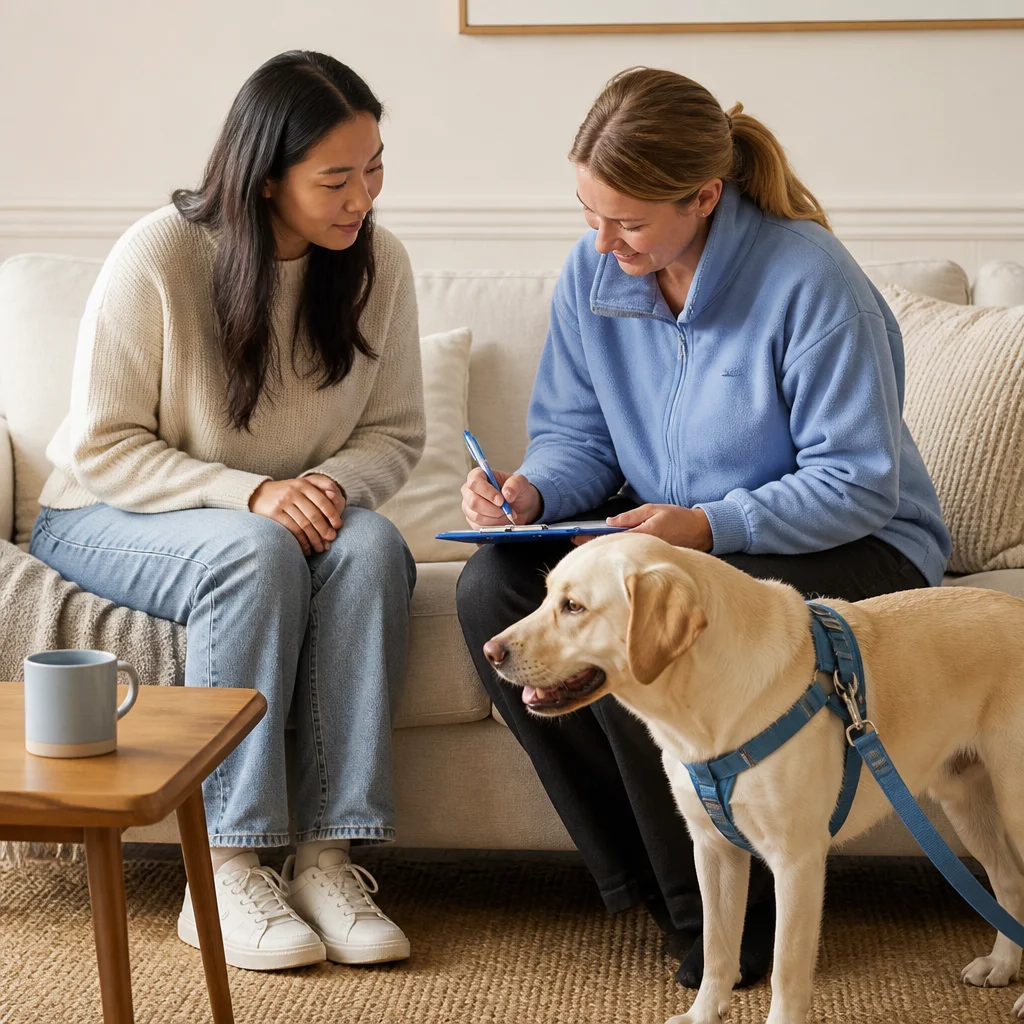
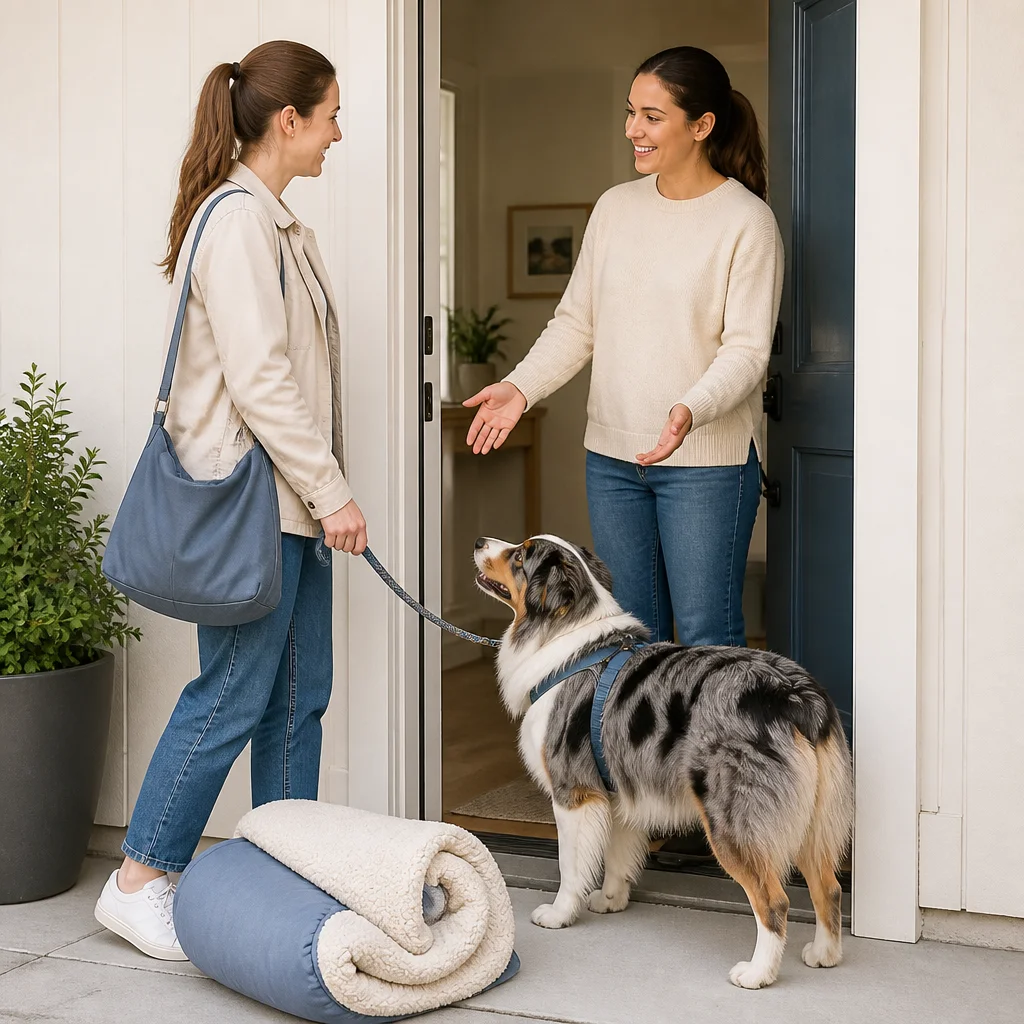
Accessibility starts at the curb and continues through the sleeping area. A ramp at reception is little help if the only toilet route has stairs, the floor is slippery, or the owner cannot manage the door while holding a leash.
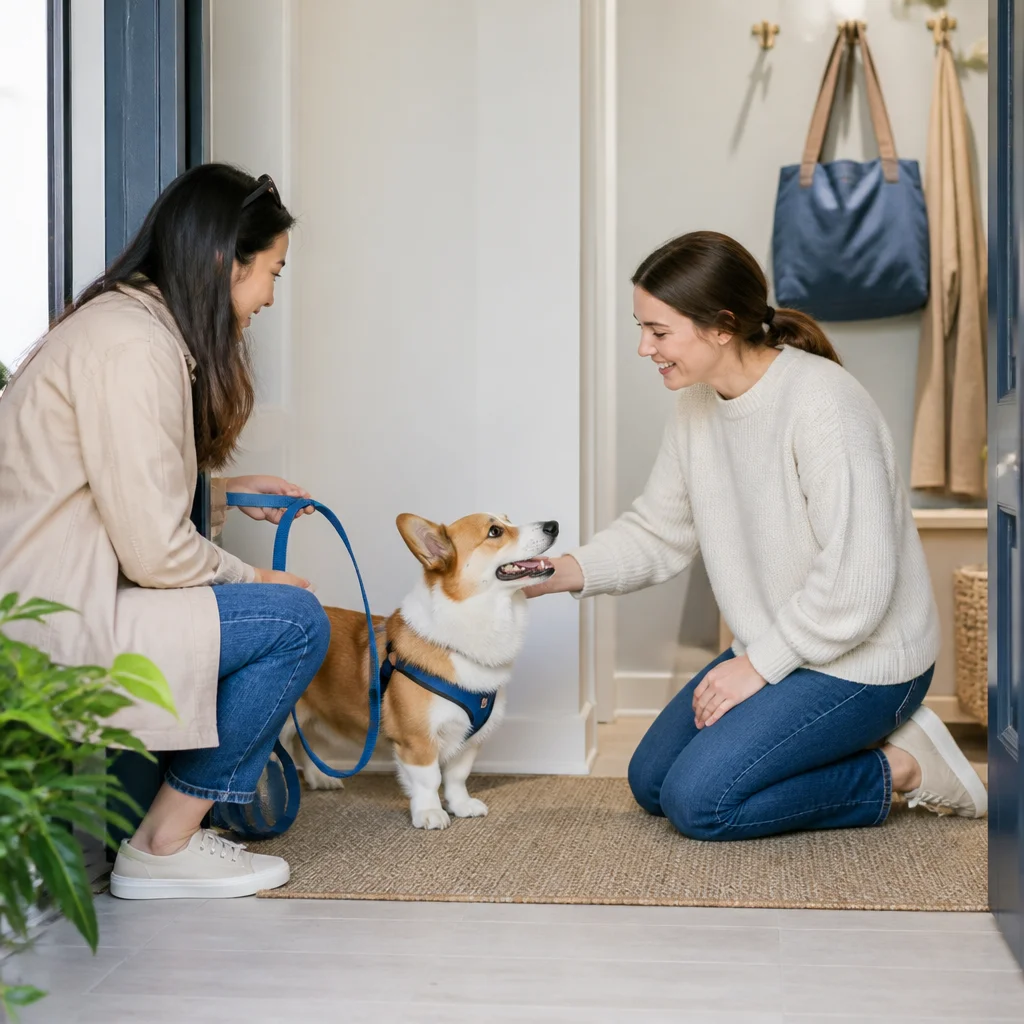
Make the first stay smaller
A short introduction can show whether the entrance and transfer work without adding an overnight separation immediately. Pick a quiet arrival time if the provider offers one. Agree on a call point if the dog cannot settle, and arrange a person who can collect promptly.
The AnimalKind pet-care checklist suggests asking boarding providers about sleeping space, daily care, stress and overnight monitoring. These are voluntary comparison prompts. Apply them to the accessible route as well as the main room.
Run a practical access check
Do the check as a sequence, not a yes-or-no question. Can the owner get from the vehicle or transit stop to the door? Can they wait indoors if the dog needs a few minutes to settle? Is there a chair, enough turning space, and a way to complete forms without holding a pulling dog? If speech, hearing or sensory access matters, ask whether instructions and updates can be exchanged in writing. If another person will do pickup, include their needs too.
For the dog, describe the functional issue instead of relying on a label. “She can manage two shallow steps but slips on polished floors” gives the provider something useful to assess. Ask to see the route to the sleeping and toileting areas and whether staff can keep that route consistent. Bring only equipment the provider has agreed to use, labelled with the dog’s name and simple instructions.
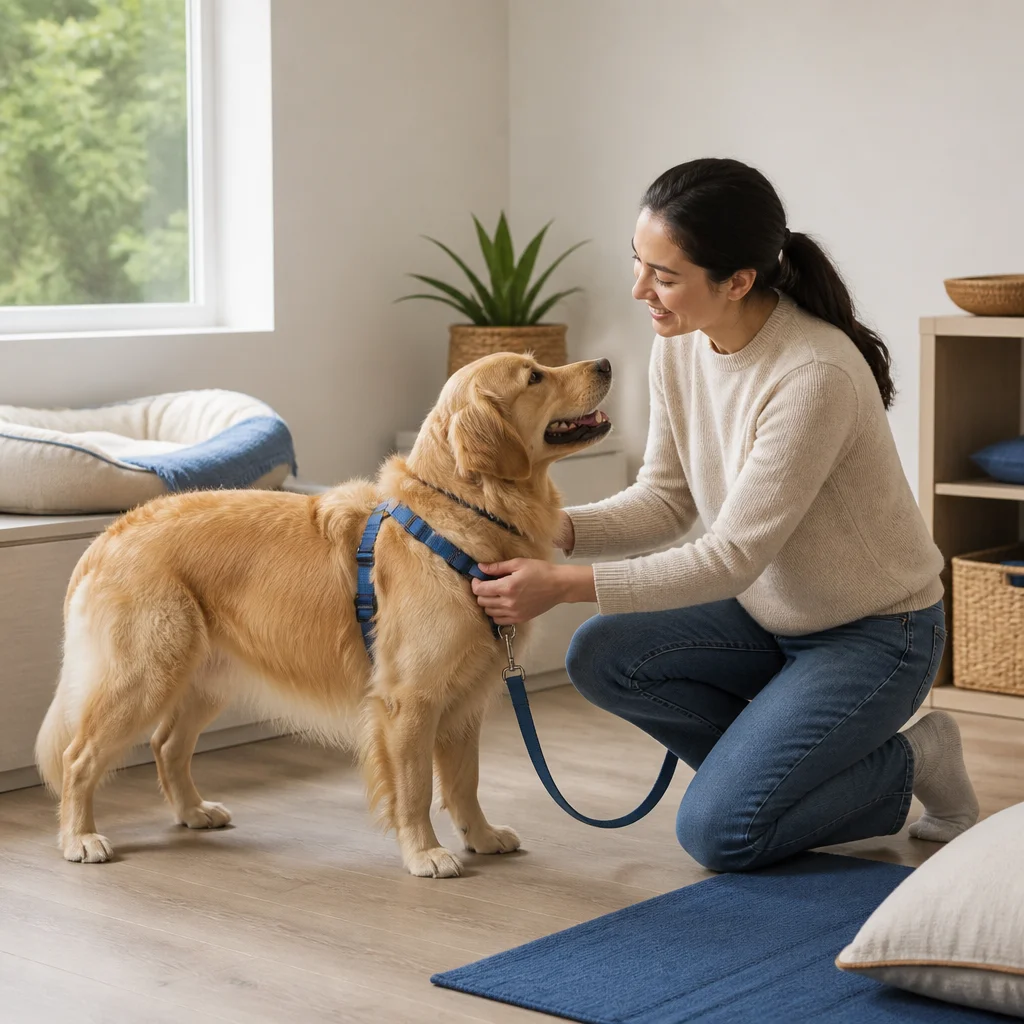
Example handoff note: “Please meet us at the side entrance at 4:30. I use a walker and cannot manage the heavy front door while holding the leash. Maple needs the rubber-backed mat between the lobby and her room. If that route is unavailable, call before we leave home.”
Accessibility depends on the actual shift and space, so reconfirm it shortly before the stay. A helpful phone conversation is not enough if the agreed entrance is locked after hours or the staff member who offered assistance is absent.
Confirm the fallback
Ask what happens if the lift, accessible entrance, quiet room or expected staffing is unavailable. The answer may be a different arrival time, another entrance or rescheduling. Decide which alternatives work before travelling. Put one phone number beside the access note so staff can resolve a problem without passing the owner through several contacts. After the stay, tell the provider which part of the arrangement worked and which did not; that record is useful if the dog returns.