
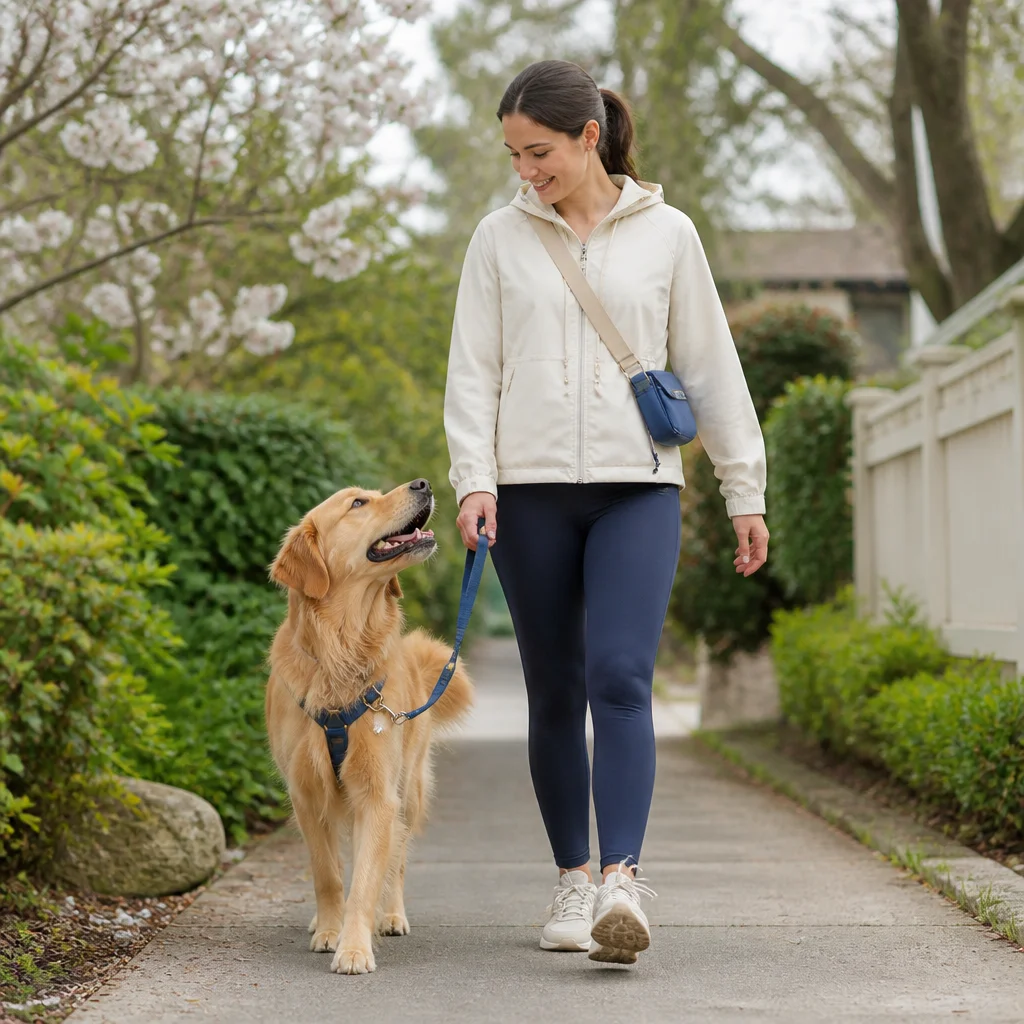
Prepare a one-page guide that a substitute caregiver could follow without guessing. Avoid personality labels like "anxious" or "friendly." Instead, use specific actions like "hides when the buzzer sounds" or "backs out of this harness." You'll need to cover their routine, the gear you use, specific fears, health needs, your vet's info, an emergency contact, and a list of decisions the walker can make on the fly without needing to call you.
Test access before the paid booking
Don't just leave the keys on the counter. You need to test the buzzer, the alarm, the fob, the elevator, and the key alongside the caregiver. Make sure you both agree on where credentials stay, who gets access to them, and how they get back to you. Pro tip: do not drop a door code into an unsecured group chat.
Map out the logistics in your calendar: the date, the arrival window, how much time the pet gets, how you'll get updates, the price, and when the cancellation deadline hits. For that first session, make sure you're easy to reach and verify that you get a message once they've locked up for the final time.
Set the walking plan
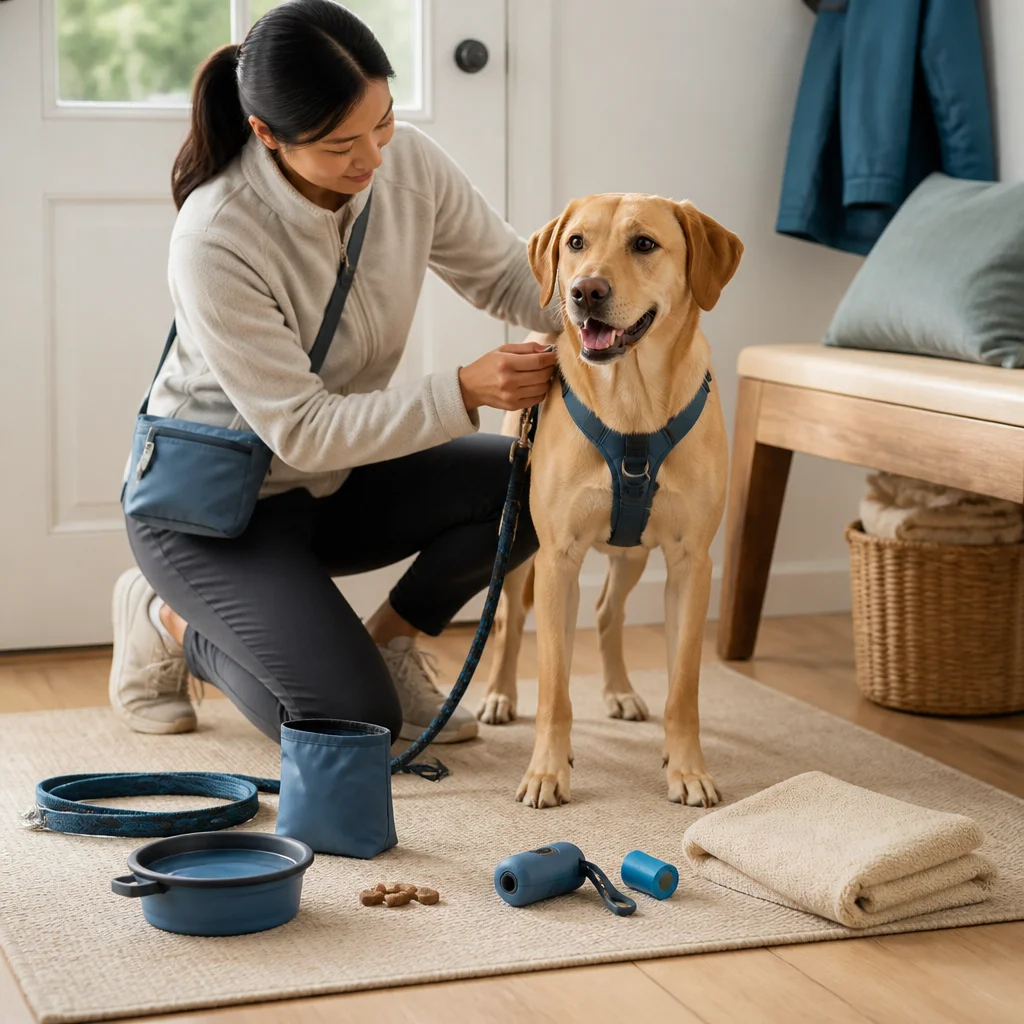
Take a photo of the harness or collar once it's fitted so the walker knows exactly what to look for, and point out which leash they should use. You need to be specific about the route, how to handle waste, the rules for interacting with other dogs, and whether off-leash time is allowed. Remember that the City of Vancouver requires dogs to be leashed in all parks unless they are in a designated off-leash area. Don't just say "park walk" and assume they know the route; define the path.
Write the route and contact rules
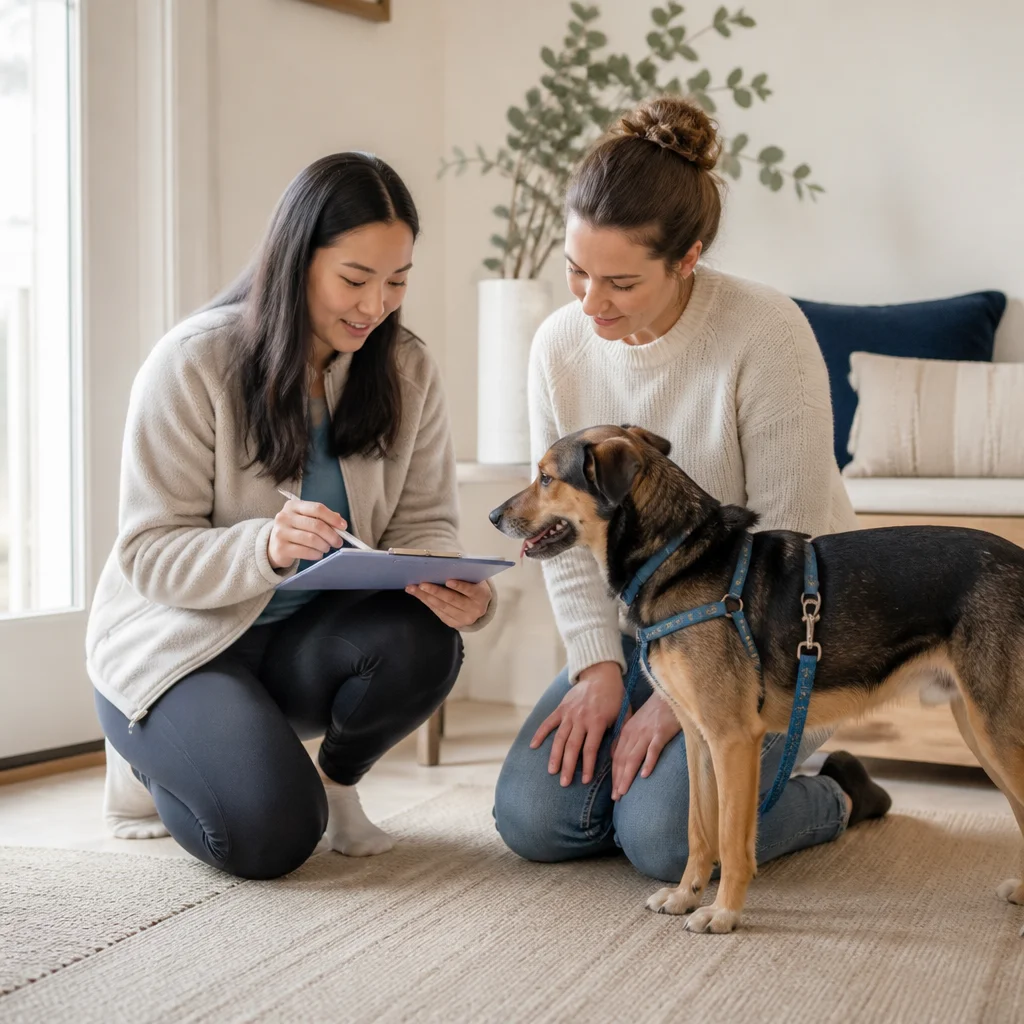
Don't use vague terms like "the usual route." Name the specific neighborhood, streets, or parks instead. Clearly state if the dog is allowed to meet people or other dogs, go into an off-leash area, ride in a car, or eat treats. According to City of Vancouver rules, dogs must be leashed in parks except in designated off-leash zones, and they must be leashed while entering or leaving those areas. If your dog shouldn't be off-leash, put that clearly in the service notes even if the walker typically uses a dog park.
Provide a phone number for the day and a backup contact who can make calls if you're unavailable. Be clear about what constitutes a "change" that requires your permission. A detour because of a blocked sidewalk is fine, but you shouldn't assume they'll use a vehicle or join a different group of dogs without checking first.
Rehearse entry and exit
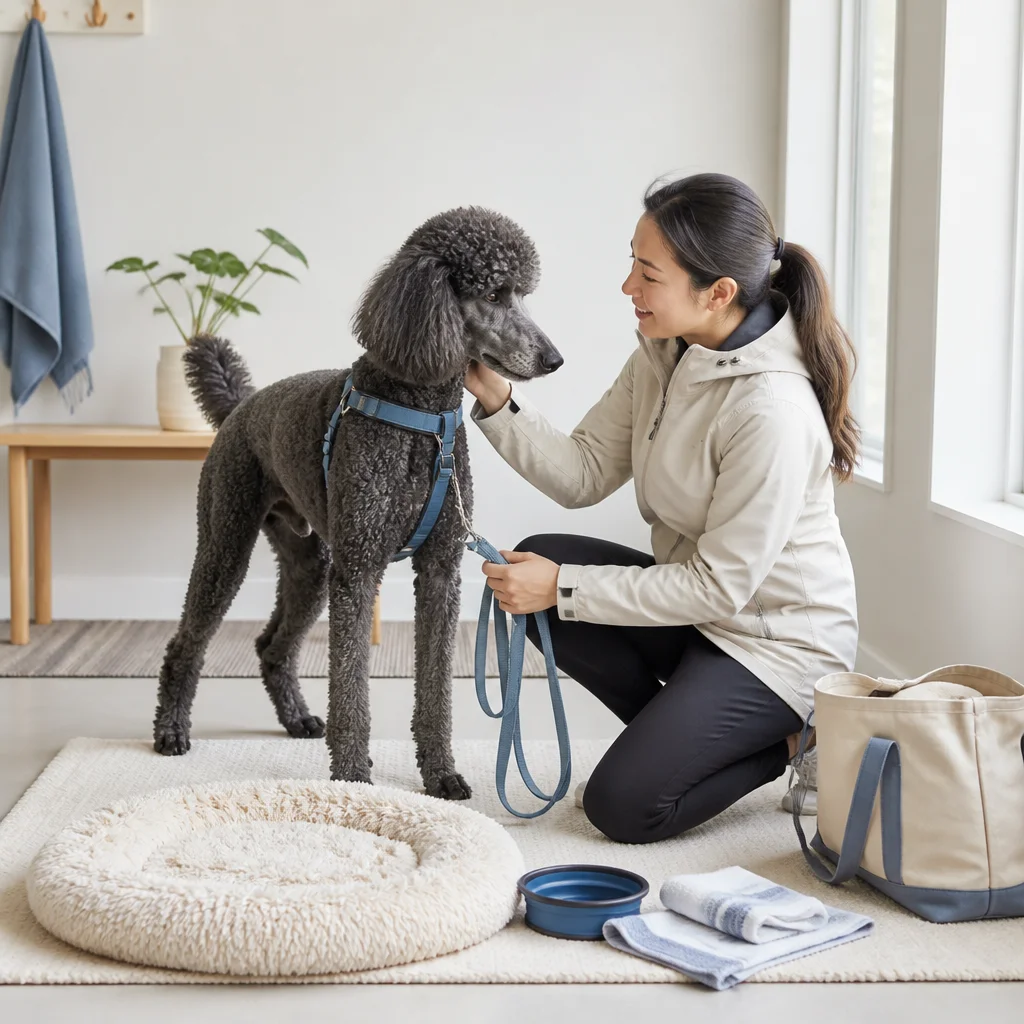
Meet the walker at the actual spot where they will pick up the dog. Watch them unlock the door, manage the alarm, find the leash, and put on the gear. Take a photo of how the harness should fit and identify any spare gear they might need. If your dog tends to bolt out the door, practice using a barrier or a "station" command to keep them inside until the leash is clipped on.
If you live in a condo, give them the buzzer name, instructions for fob-controlled doors, elevator rules, and the safest way to exit through the lobby. Decide ahead of time where to wipe muddy paws and if that cleaning time is included in their paid time. Finally, never label a key with your full address, and make sure you track who has it and how it’s being returned.
Use a day-of checklist
Before you head out, make sure the agreed-upon gear is in its spot, the doorway is clear, and your contact numbers are up to date. The walker should only message you after they are safely inside or finished, not while they are driving or trying to manage the dog.
Once the first walk is done, verify five things: did they arrive in the window, did they walk the dog for the promised time, did they use the right route, is the dog back where they should be, and is the house locked? Use this to update your care sheet. It is much better to write "avoid the west elevator between noon and 1:00 because of a resident dog" than to simply say the dog is "reactive."
Keep the first version short
A walker needs a tool, not a biography. Put the most urgent info at the top: escape risks, gear, rules about other dogs, health instructions, and emergency numbers. Leave the optional preferences for the bottom. Have the walker explain the route and the access plan back to you in their own words. If they misinterpret anything, fix the wording before you hand over the keys.
You can browse Vancouver dog-care listings or BC dog walkers to find options. When you've shortlisted a few, ask them to provide a quote for the specific route and time you've planned.