
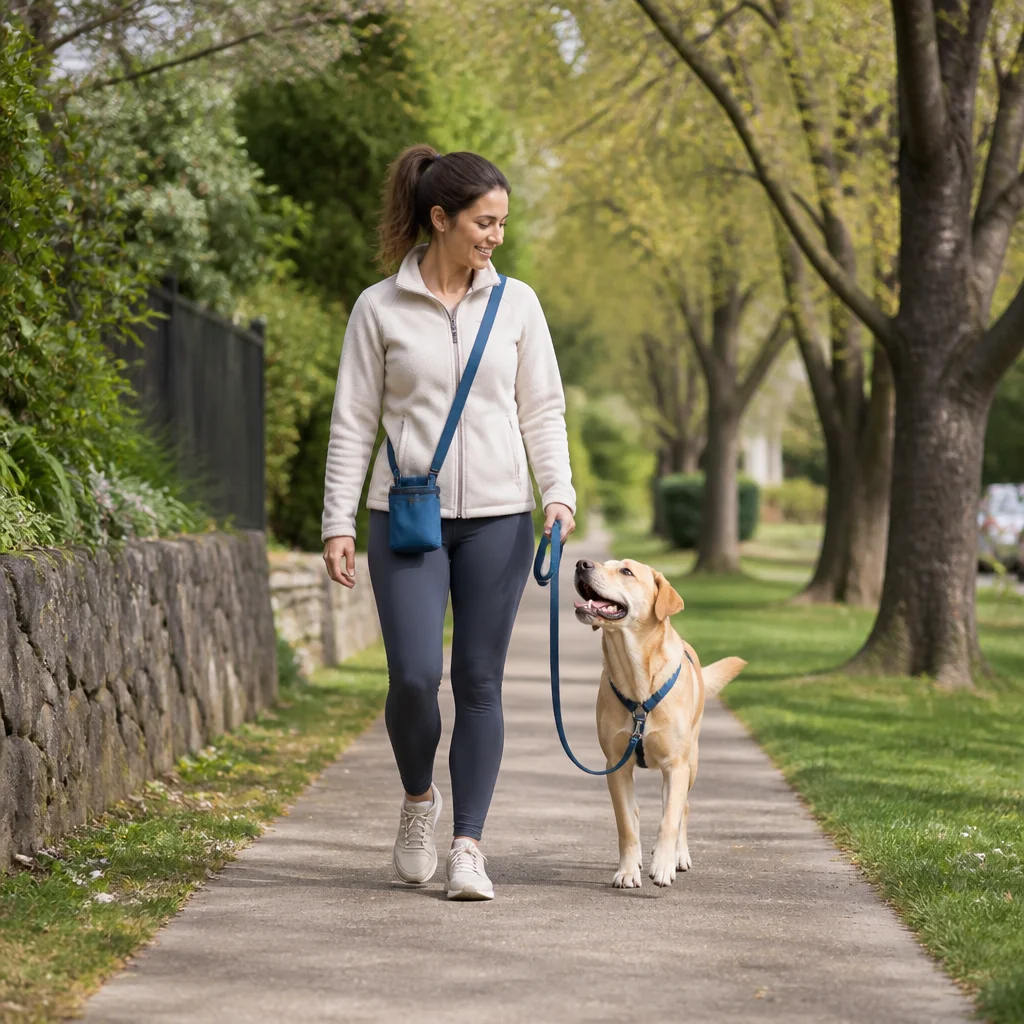
Choose around the caregiver who will arrive and the schedule they can keep. You need to know exactly who is showing up at your door, how much time they are actually spending with your dog, what their other bookings look like around your slot, and what the backup plan is if your regular walker gets sick. A polished marketing page won't tell you if the specific caregiver or the specific route is the right fit for your pet.
Compare one ordinary Tuesday
Give every candidate the same scenario: the same address, the same time requirement, and the same list of care instructions. Ask them for a specific arrival window, how much hands-on time is included, how much time they spend traveling or picking up other dogs, how they handle updates, and what the total expected cost is. Once you have those numbers, test that routine against your own work schedule, your building's access rules, and your dog's typical daily rhythm.
Use a meet-and-greet to ask your questions, then run a short trial to see how things actually work. You aren't looking for just a cheerful photo sent to your phone; a successful trial means reliable entry into your home, all the agreed-upon care being completed, a useful update, and the house being securely locked up when they leave.
Private, group or transported
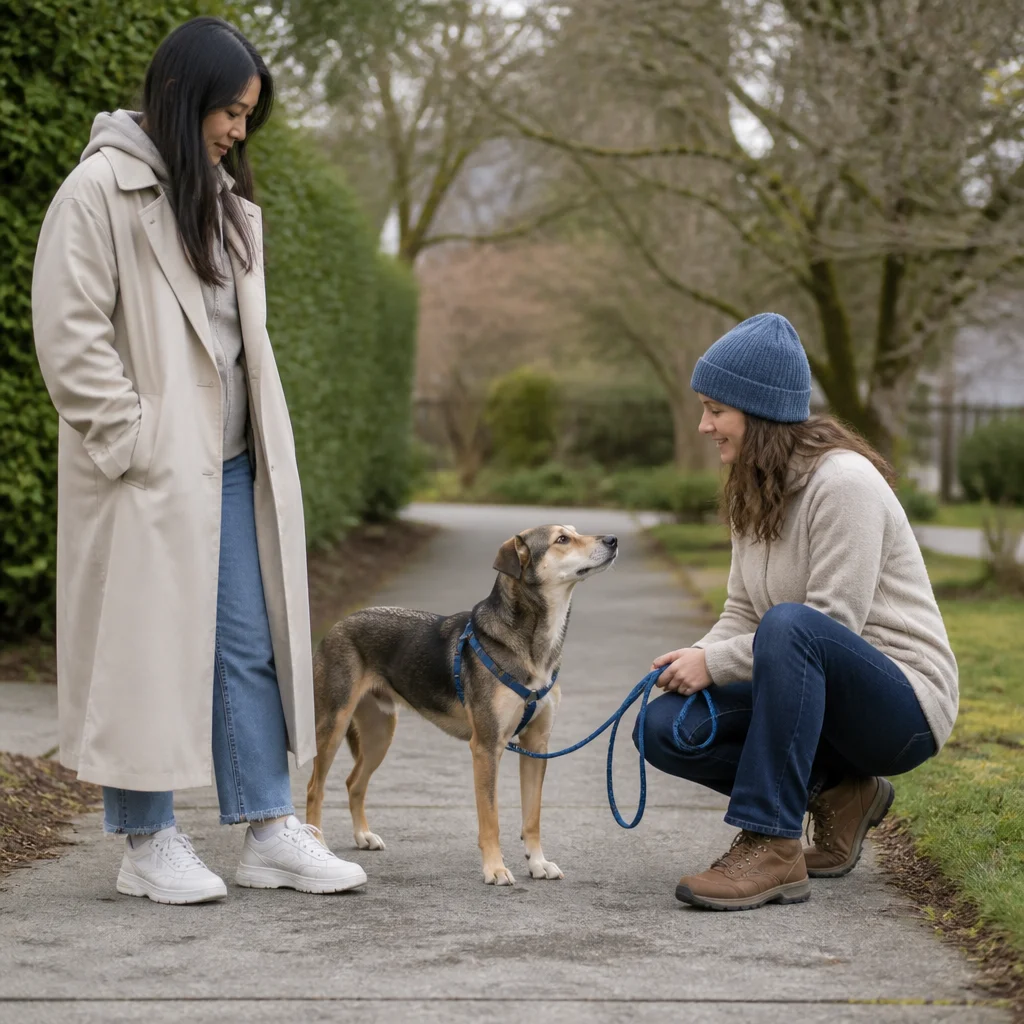
A private walk means your dog gets the handler's undivided attention. Group walks involve matching dogs together and might include time spent in a vehicle. You should always ask how many minutes are spent actually walking versus how many minutes are spent on pickup and drop-off. If they suggest off-leash exercise, ask them exactly which park they use and check the current hours and boundaries for that specific spot.
Decide between private, group and transported walks
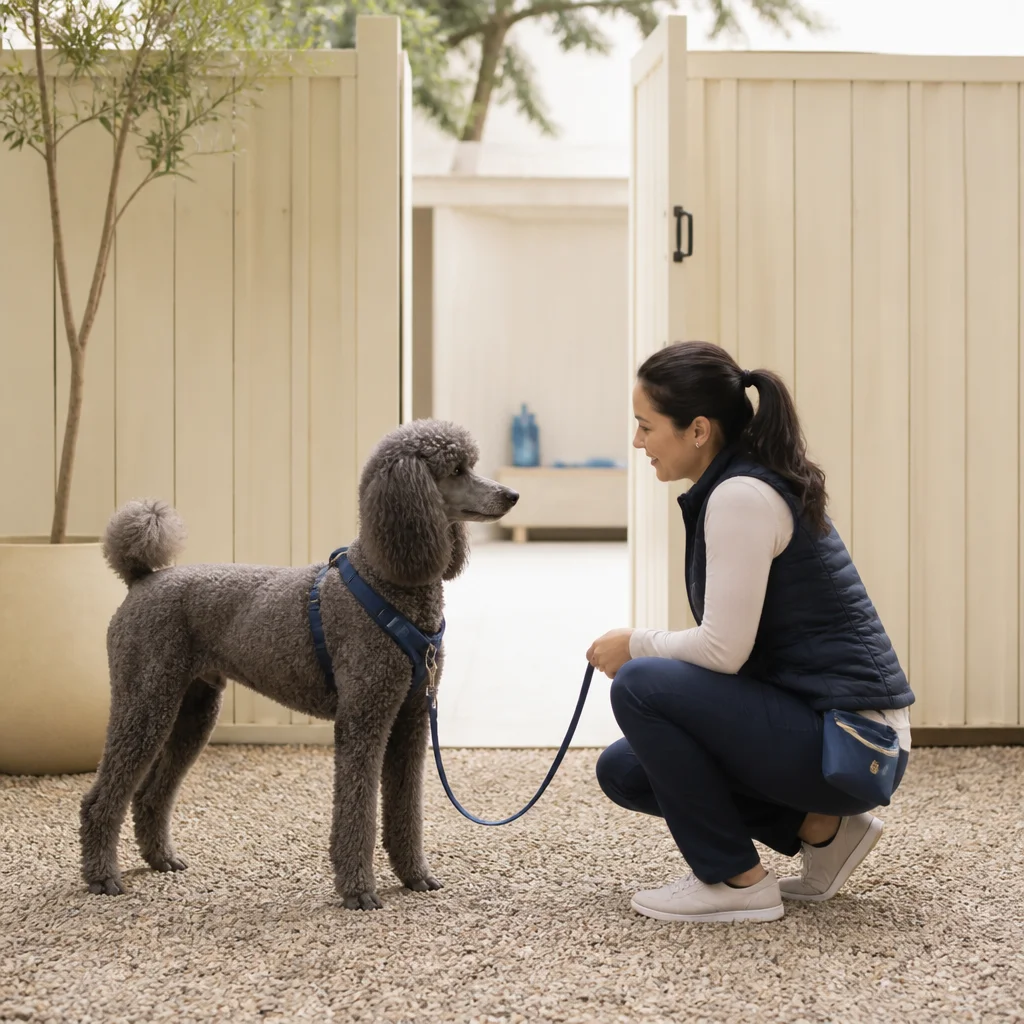
You have a few options here. A private neighborhood walk gives your dog one-on-one attention and skips the extra time spent on collections. A group walk offers the chance for your dog to have some company with compatible pets. A transported group walk can take your dog to much larger parks, but it also means your dog might spend more time sitting in a vehicle while the walker collects other pets. There is no "best" option, only the one that fits your dog. Ask exactly when the paid service clock starts and how many minutes are dedicated to active walking.
Suppose Walker A offers a 60-minute group outing for a lower price, but because of pickup and return trips, your dog is away from home for two and a half hours. Walker B charges more, but provides 45 minutes of service starting right from your apartment door. If your dog loves being in the car and enjoys other dogs, Walker A might be the better choice. If your dog gets carsick or needs a predictable potty break, Walker B is likely more practical. Don't compare package names; compare what your dog actually experiences during the day.
Check the actual route
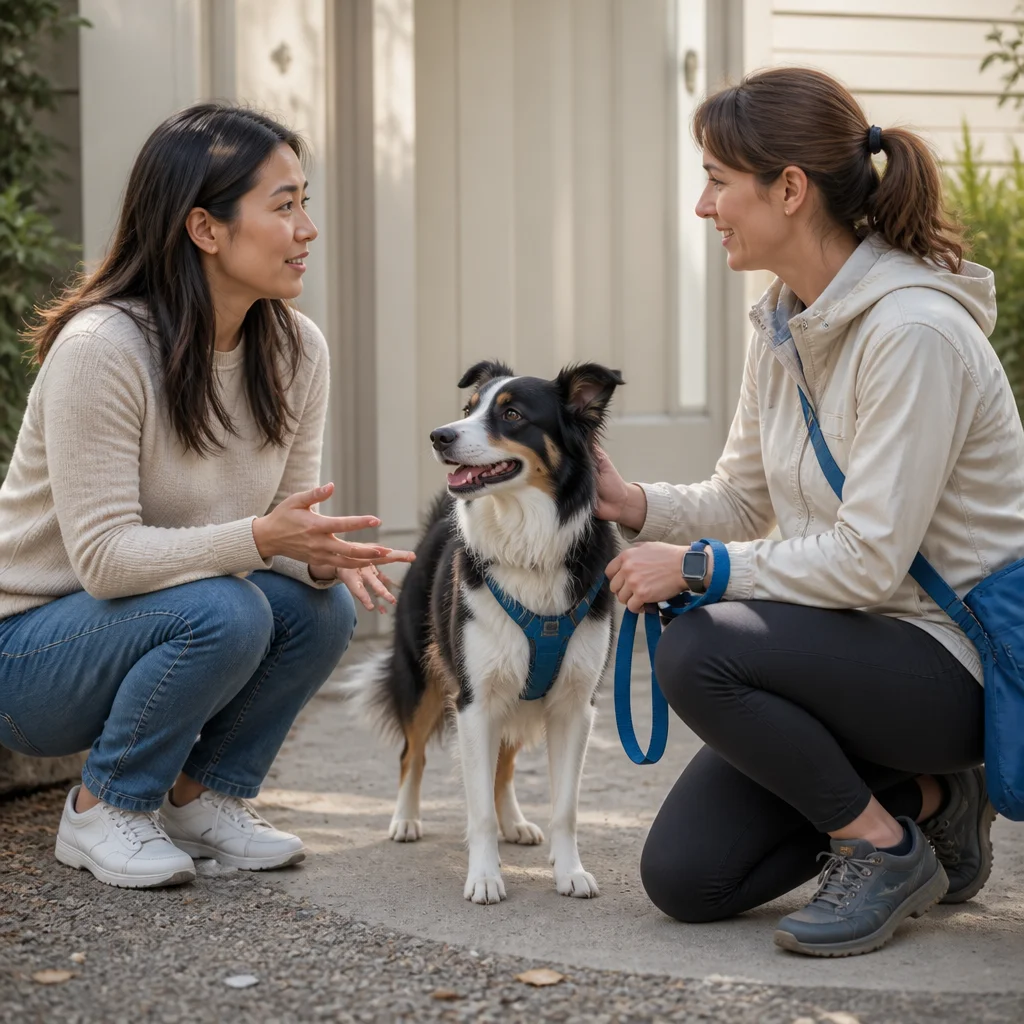
Ask which specific streets or parks the walker normally uses when visiting your address, and ask them what their backup plan is if the usual route is blocked by construction, heat, smoke, or ice. If they plan to do off-leash exercise, you should explicitly approve it first. While Vancouver's municipal rules allow a maximum of three dogs per handler and require leashes during entry and exit to parks, those rules don't explain how a specific business handles dog matching or what happens if a dog fails to recall.
Ask how dogs are added to a group, what kind of behavior would cause a dog to be removed from a group trial, and where a dog waits while the walker handles a pickup. A good answer should cover size, play style, fear, vehicle comfort, and the dog's specific history. If they say, "We match by temperament," ask them for a specific example of how that works.
Meet the person who will walk the dog
You need to know if the person you meet during the consultation is the same person who will actually be walking your dog. Ask who shows up when the primary walker is sick, and make it clear that you want to approve any substitutes before they are given access to your home.
Try walking one block together with them. Pay attention to how they clip on the equipment, how they exit the building, whether they give the dog enough time to sniff, and how they react when the dog gets distracted.
Make your final choice after a short, paid trial. Check their punctuality, the actual time spent outside, the route taken, their handling of the dog, the quality of their reports, and how they lock up your home. A walker can be incredibly friendly and capable but still be a bad match for your specific building, your schedule, or your dog's personality.
Compare a month, not an introductory price
When looking at costs, don't just look at a trial rate. Ask for the regular dog-walking price after any trial offer and multiply that by how many times a week you actually need them. Include every fee that applies to your specific address and schedule. You should also factor in the cost of a missed or shortened service based on their specific terms. A cheaper walker is not a bargain if their arrival window is too wide to accommodate your dog's necessary breaks.
You can browse Vancouver dog-care listings or BC dog walkers, but once you have a shortlist, ask those providers to give you a price for that specific route and time.