
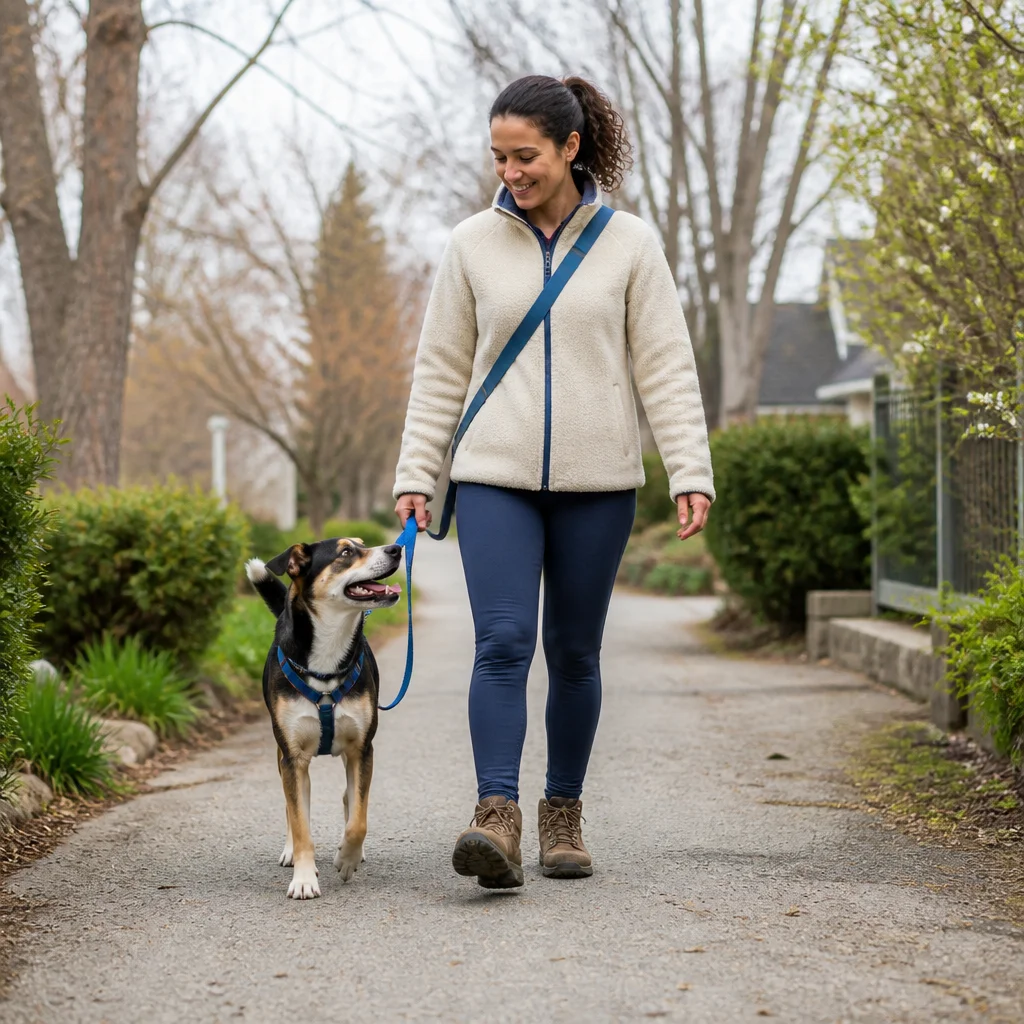
Define the care window and tasks before comparing prices. You should compare options based on hours and actions. Consider these specifics: when the pet is left alone, who is entering your home, where the actual care takes place, the amount of travel involved, and what the provider is actually doing during the paid time. Two services might have the same name, but they can leave very different gaps in your dog's day.
Put offers on equal lines
To get an honest comparison, send every provider the same dates, address, pet details, and task list. You need to record the arrival window, the actual time spent caring for the dog, the assigned caregiver, travel time, any extra add-ons, backup plans, and the cancellation policy. If a provider leaves out a task you specifically need, add that cost yourself before you make a decision.
If two options are neck and neck, break the tie with a small trial. Use that time to track their punctuality, how they handle access, how your pet responds to them, and whether their post-walk report actually answers the questions you care about.
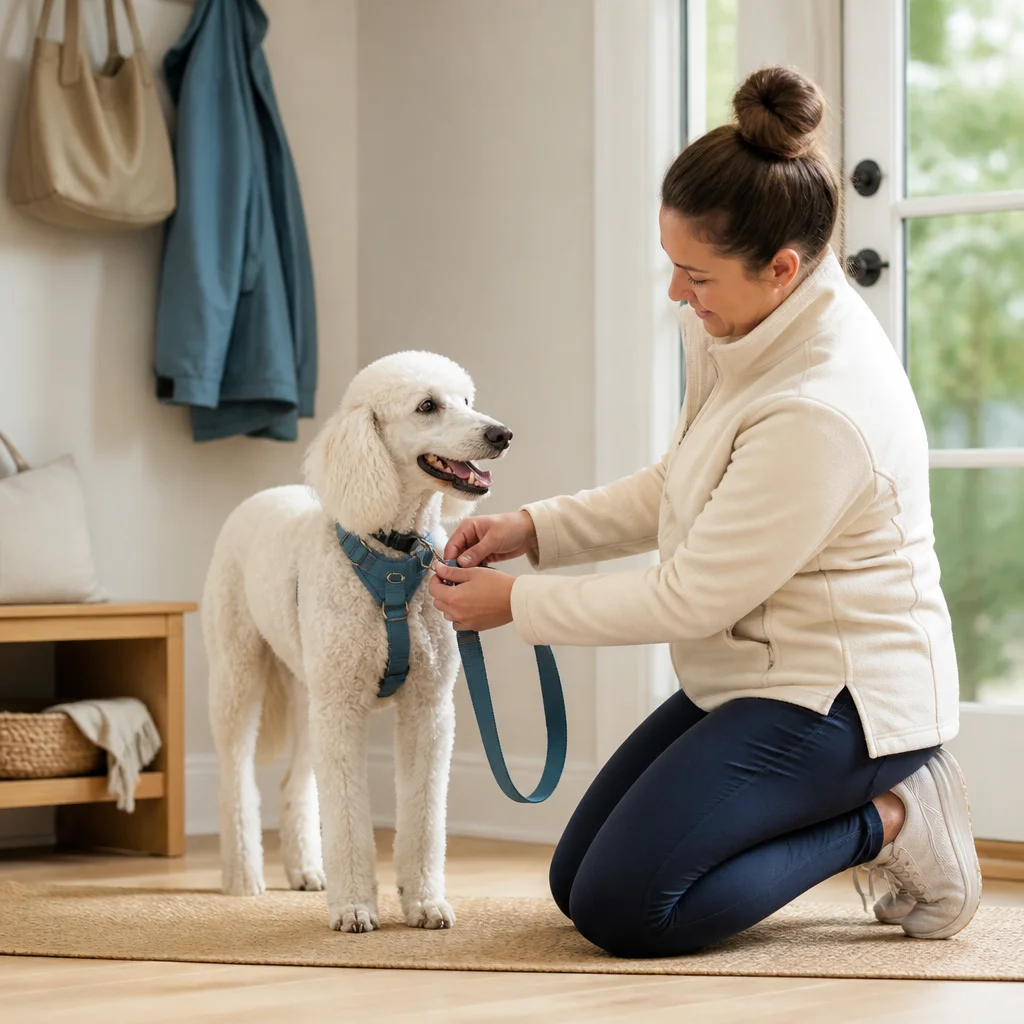
Compare three clocks
If you are looking at a private walk, ask exactly when the walking clock starts. For neighborhood group walks, ask how the dogs are integrated into the group. For transported group walks, make sure you separate the time spent in the vehicle from the active walking time. While Vancouver's off-leash etiquette allows a maximum of three dogs per handler in designated areas, your provider should explain their specific group size and route to you.
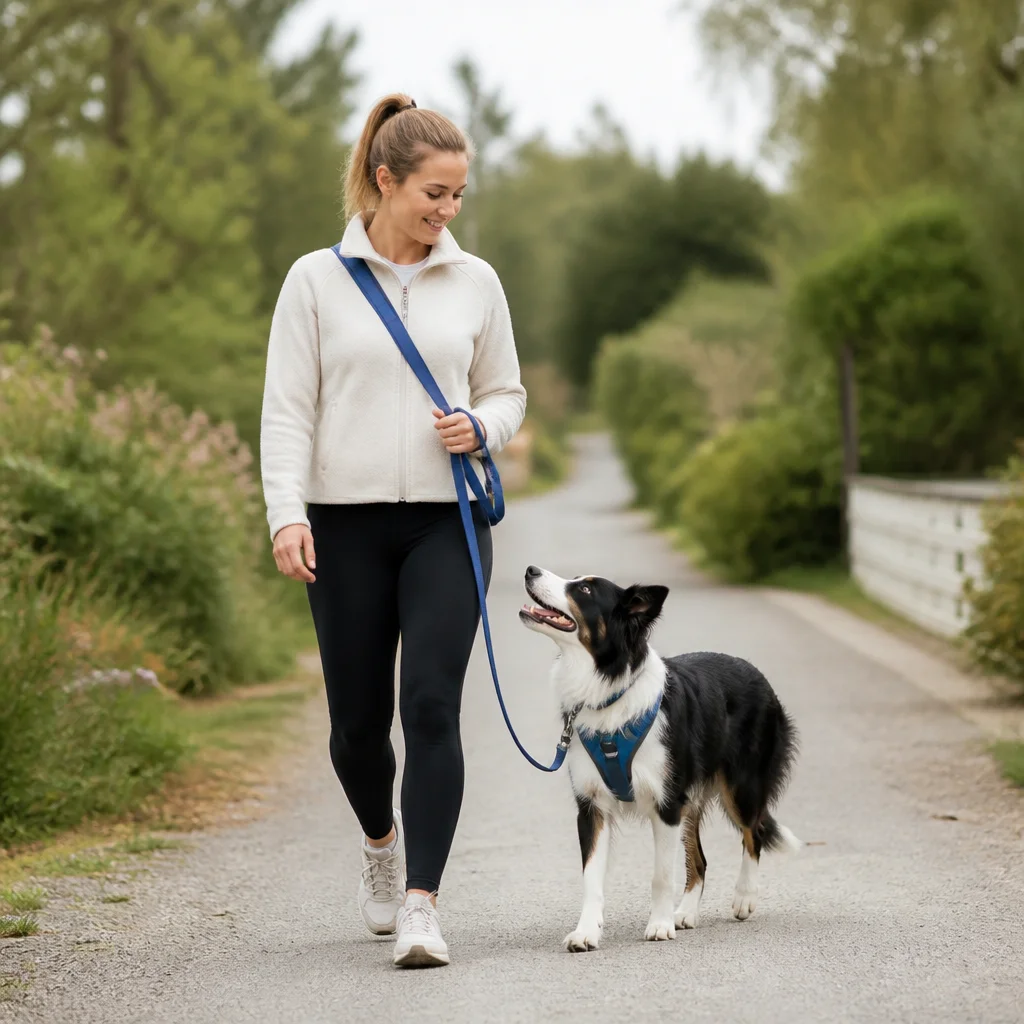
Send one fair request
Use the exact same brief for every provider you contact: “Adult 18-kilogram dog near Main and Broadway; needs at least 45 minutes outdoors between noon and 2 p.m.; should not greet unfamiliar dogs; no off-leash activity.” Ask them to provide the expected total price, the arrival window, the amount of time spent outside, the route, the group size, vehicle time, and their fallback plan.
One walker might quote a 45-minute private loop starting right at your door. Another might quote a one-hour group walk that includes a pickup trip. A third might offer a 30-minute visit that covers harnessing and drying paws. Those prices are not describing the same service. You need to rewrite every offer into a standard format: minutes from key-in to key-out, actual outdoor time, and vehicle time.
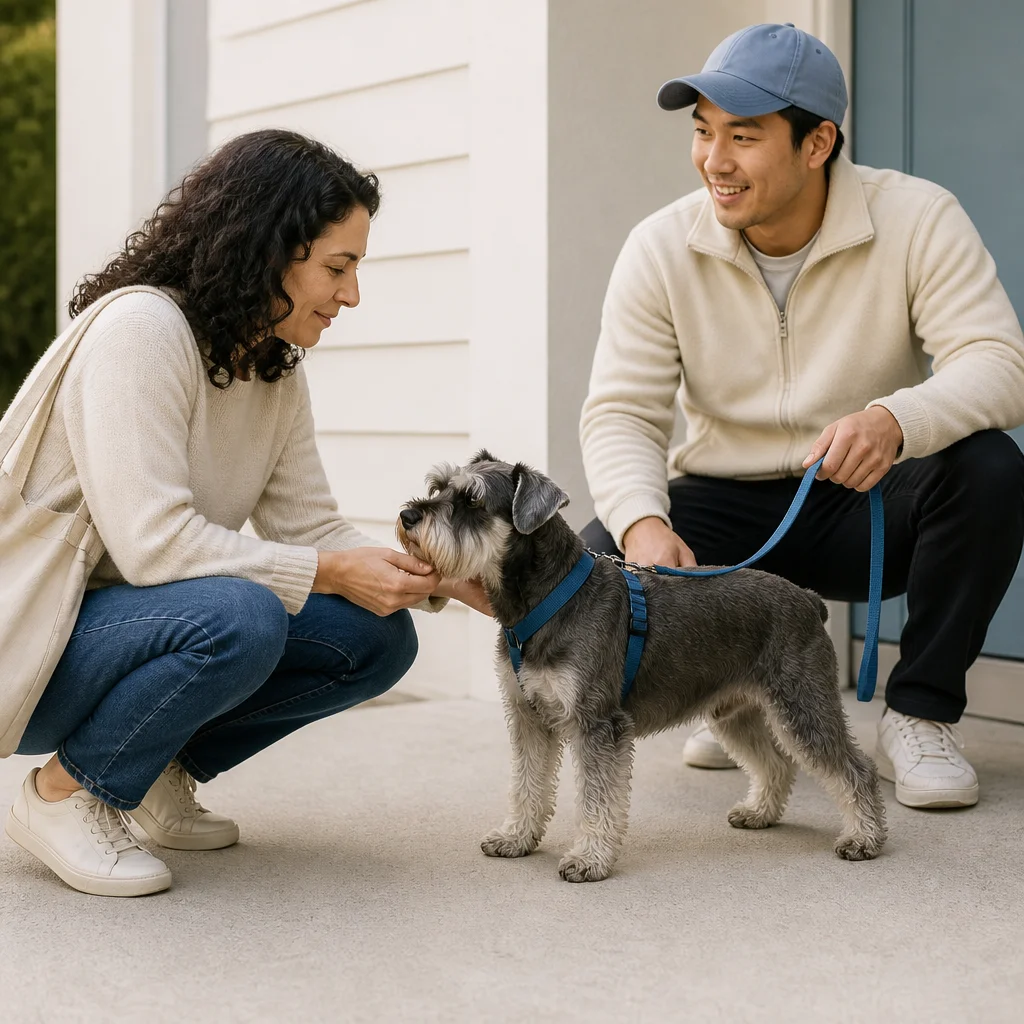
Compare what happens around other dogs
For group walks, ask how they introduce dogs, how many dogs are with a single handler, and how the walker handles a dog that seems uncomfortable. Vancouver's off-leash etiquette limits handlers to three dogs in designated areas, but a smaller group isn't a guarantee that it's right for your dog. You still need to look for proper matching and active supervision.
For private walks, clarify what "private" actually means. Does it mean no other client dogs, no dogs from your own household, or no contact with any dogs at all? Even a private walker might encounter other dogs on a narrow sidewalk. Be clear about whether the route should involve crossing streets, turning around, or simply allowing a calm pass.
Compare the disrupted day
Give every provider the same two scenarios to see how they react. First, tell them: "The fob fails and you can't get in for ten minutes." Second: "Freezing rain makes the usual route unsafe." Ask them how long they will wait, what indoor or shorter care they provide instead of the walk, what they charge for these instances, and if you get a credit. Their answers will tell you much more than a generic claim about being flexible.
Finish by running a trial using a consistent scorecard: arrival, access, outdoor minutes, route, handling, report, lock-up, and the final price. The best offer is the one where both the normal daily routine and the "bad day" plan work for your dog.
Read the report as part of the offer
Ask what their standard update includes and when you should expect it. GPS maps can be helpful, but they are not a substitute for notes about equipment, dog encounters, potty breaks, or route changes. On the flip side, a long, affectionate message might leave out the actual outdoor time you need to know about. Figure out which specific facts you need to manage the next walk, then check if the provider actually records them.
Browse Vancouver dog-care listings or BC dog walkers, then ask your shortlisted providers to price the exact same route and time.