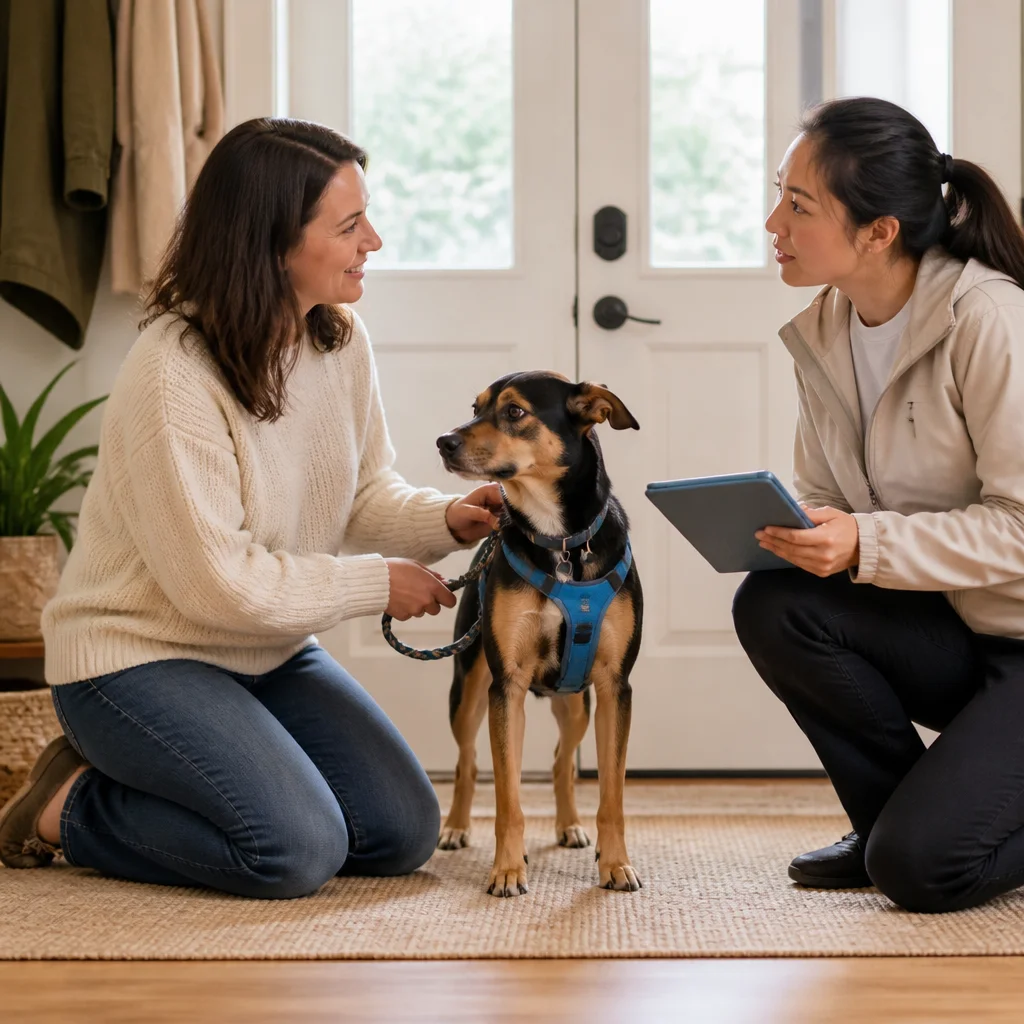
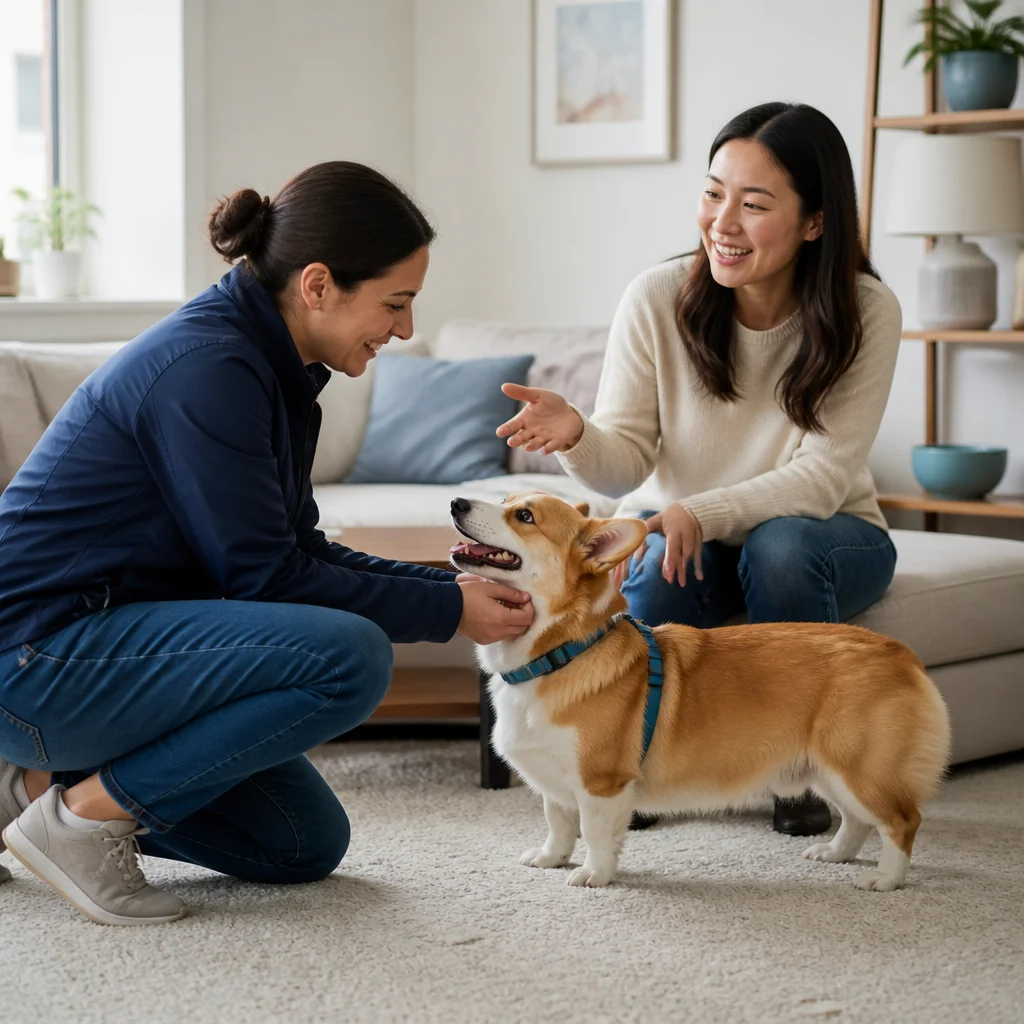
Accessible pet sitting should reduce the work needed to arrange care. Start by naming the barrier for the person, the pet and the home instead of asking whether a sitter is generally “accessible.”
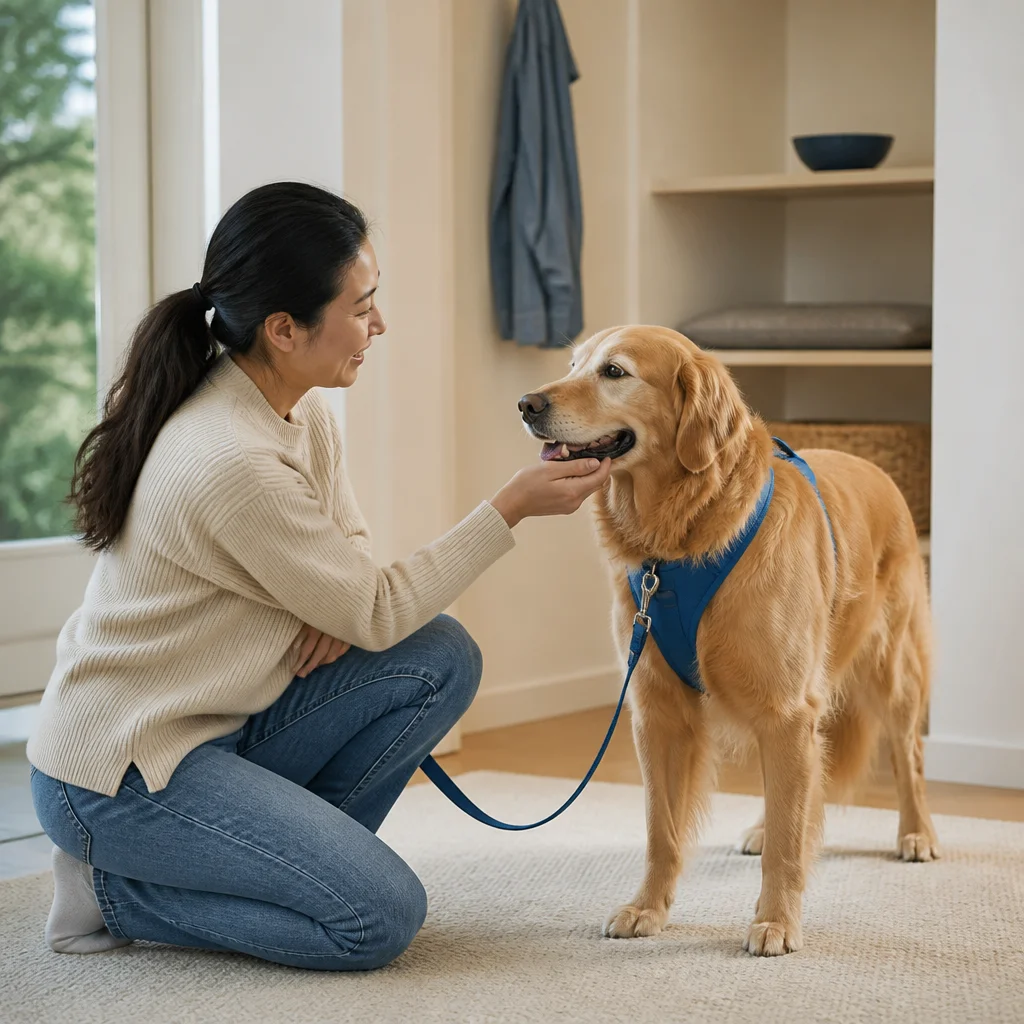
Separate the three kinds of access
For the owner, access may mean a step-free meeting place, written rather than phone communication, large-text updates, or help placing supplies where they can be reached. For the pet, it may mean floor-level care, no stairs, a quiet introduction or extra time to approach. For the sitter, it means reliable entry through doors, buzzers, elevators and alarms.
Ask the sitter to repeat the complete handoff in their own words. Who brings the key? Can the owner reach the lockbox? Who portions food or moves a heavy litter bag? If an owner cannot bend or lift, telling them to “leave everything ready” simply moves the barrier into the preparation.
An older client, for example, may be able to explain a cat’s routine but not reach a floor-level lockbox. A workable arrangement might use a waist-height key handoff with a trusted building contact, portion food together before departure and send a plain text update after each visit. The exact solution matters more than the label.
Build communication around decisions
Choose the update method the owner can reliably receive. Agree which details arrive every time—entry, care completed, pet response, home issues and lock-up—and which events require a phone call. Avoid making the owner navigate an unfamiliar app during an emergency if text or voice works better.
If another person helps the owner, define their authority. Can they approve extra time, veterinary transport or only receive the pet? Share private information only with the people who need it.
Test the hardest part before travel
Run a short paid visit with the owner nearby. The sitter enters without physical help, finds supplies, completes one routine and secures the home. For a dog, test the path from unit to street at the real time of day. For a cat that hides from strangers, agree how long the sitter looks and when “not seen” becomes a call.
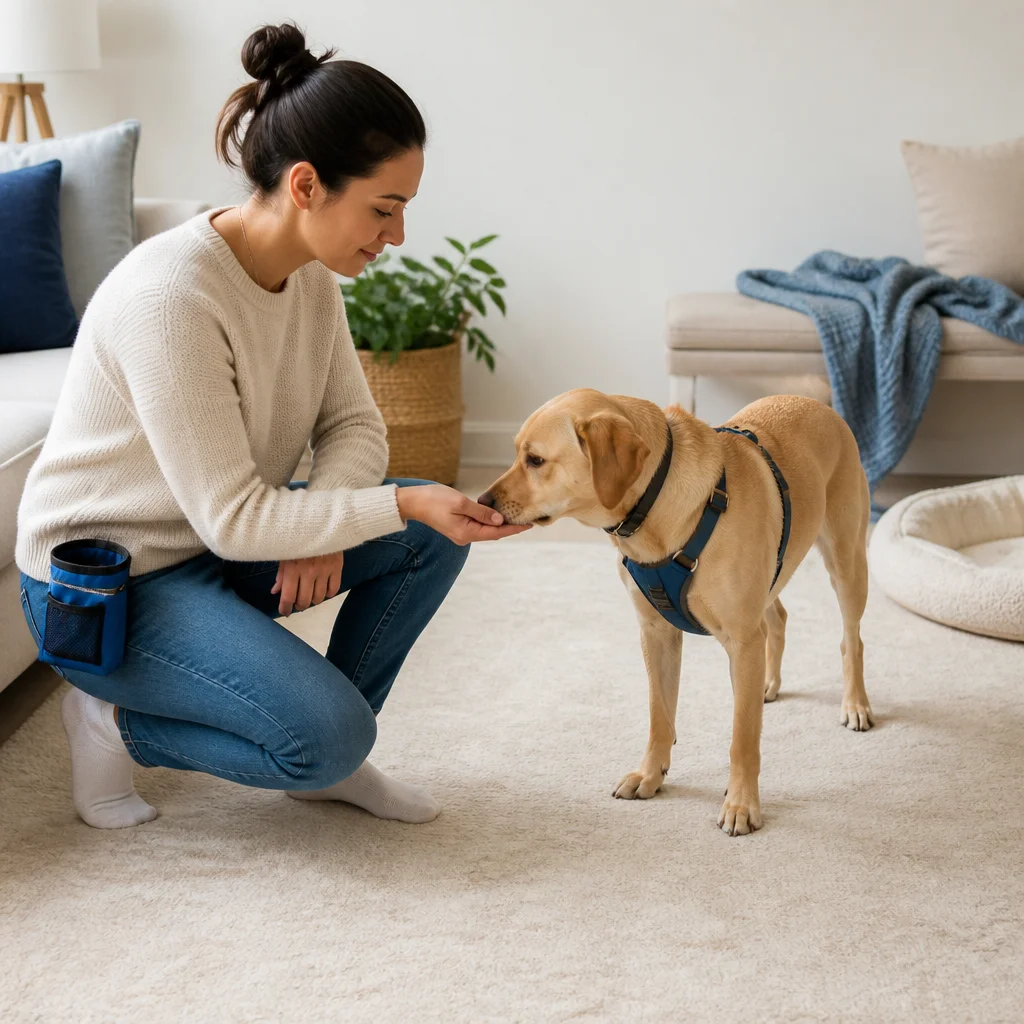
Use a failure scenario. If the elevator is out and a dog cannot use stairs, does the sitter provide indoor care, contact the owner or end the visit? If the buzzer audio is inaccessible to the owner, how is arrival announced? A useful provider gives a specific fallback and admits what they cannot do.
Put accommodations in the quote
Ask whether extra setup or handoff time is included. If a 30-minute visit loses 15 minutes to building access, the pet may need a longer booking. If the sitter helps prepare food or clean an accessible route, name that task rather than hoping it happens.
Judge the provider's answer
A strong answer describes what the sitter will do, how long it takes and what happens when the plan fails. “We are happy to accommodate” expresses goodwill but does not tell an owner whether the sitter can reach a high shelf, manage a mobility-limited dog or communicate in the agreed format. Ask for the action, then put it in the booking note.
Also ask whether the same accommodation applies to a backup sitter. An arrangement tied only to one person can disappear on the day that person is ill.
After the trial, record the parts that worked and revise only the weak point. The goal is not a perfect special arrangement; it is care that the owner and pet can use repeatedly without hidden physical or communication work.